Idiopathic features, Signs, Symptoms, Clinical Types, Complications and Prevention.
Posted on 23April2024, by Dr. AmruthaYellamanchili
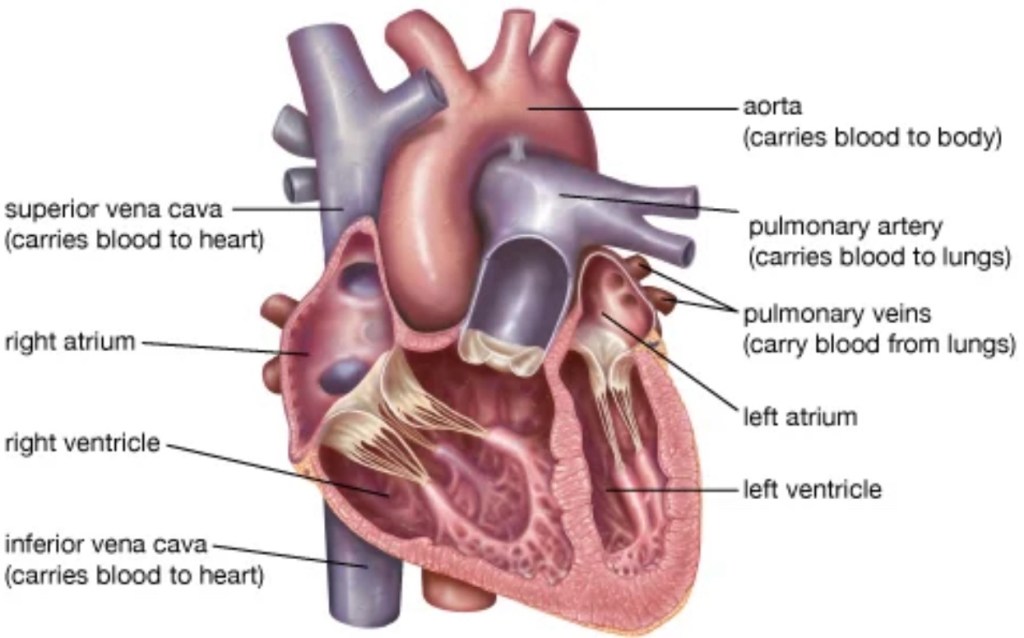
The Heart is the core of the cardiovascular system located to the left of the center of chest. It is about the size of one’s fist. The heart is a muscle that pumps blood throughout the body. Blood carries oxygen-rich blood that the body cells need for energy.
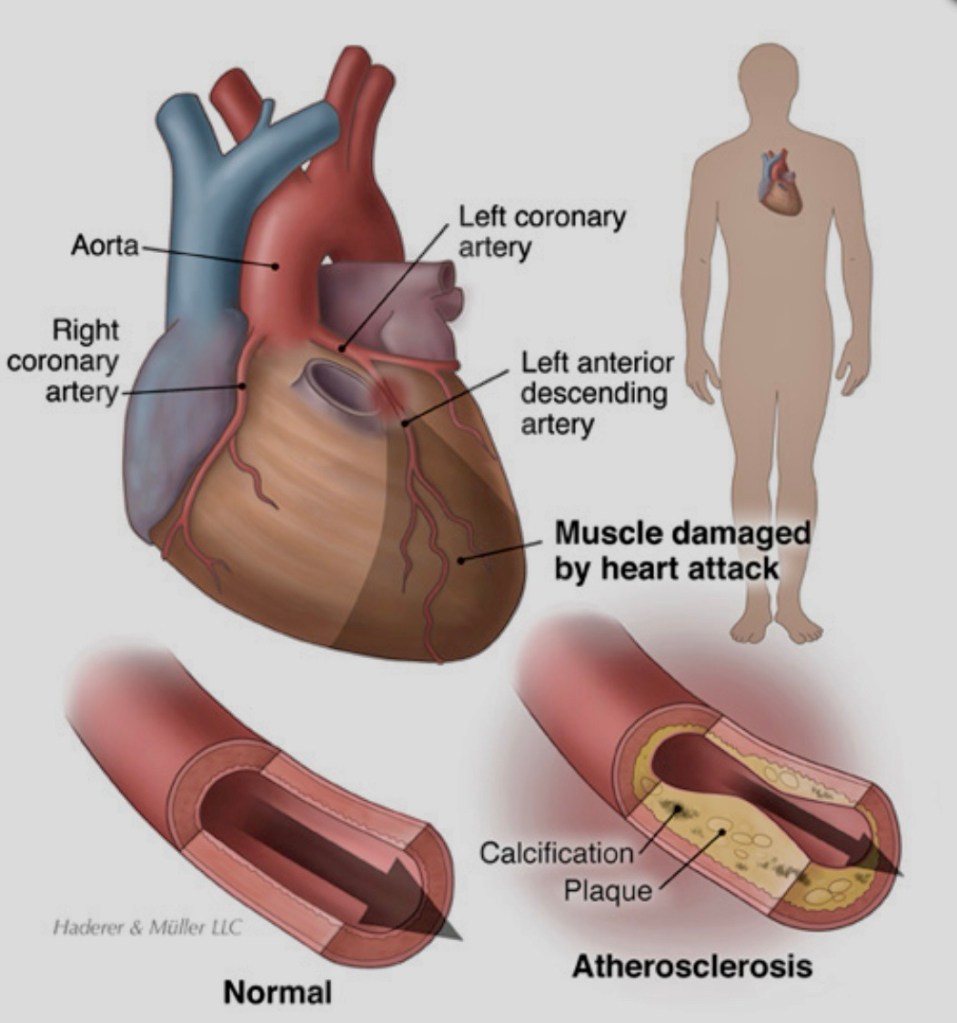
Myocardial Infarction [MI] is a life threatening emergency condition and leading cause of death in both men and women. Occurs when the heart muscle does not receive enough oxygenated blood eventually leading to improper functioning of the heart muscle causing a heart attack. A heart attack can be fatal. Immediate emergency medical care is necessary to sustain life and prevent medical complications.Clots that block the coronary arteries cause the majority of heart attacks. The most common cause of clots is atherosclerosis. Atherosclerosis is a disorder that causes plaque build up and hardening of the arteries. As the arteries harden and thicken, blood does not flow efficiently. The plaque build up inside the arteries can crack and trigger blood clot formation. A clot in the coronary artery blocks the blood flow to the heart muscle and causes cell death.
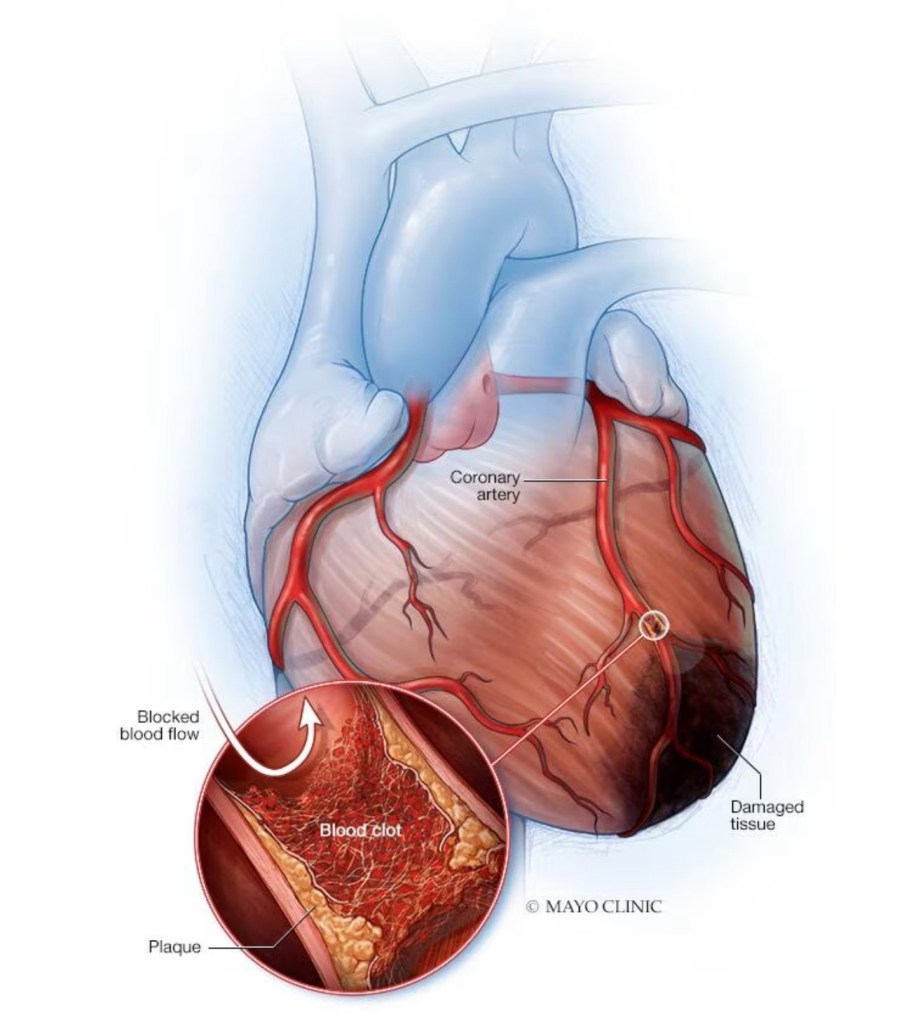
When the cells in an area of heart muscle die, they form a collagen scar. The scar tissue does not have the ability to contract and causes the heart to become permanently weaker. Other heart muscles try to compensate for the damaged tissue. This can cause a fast heart rate that stops the heart from pumping blood. The decreased output of oxygenated blood and decreased blood pressure can result in a heart attack or death. Heart attacks can also result from extreme stress or exertion, especially if it is extremely more than normal for that person. The illegal drug cocaine is another cause of heart attack. Cocaine can cause the coronary arteries to spasm. Additionally, sudden severe infections, such as pneumonia, can trigger a heart attack.
Women and men may experience different symptoms of a heart attack. For both men and women, chest discomfort is the most common symptom of a heart attack. However, women are more likely than men to experience back or jaw pain, overwhelming fatigue, dizziness, nausea, vomiting, and shortness of breath.
Idiopathic Features
- Age. Men age 45 and older and women age 55 and older are more likely to have a heart attack than are younger men and women.
- Tobacco use. This includes smoking and long-term exposure to secondhand smoke. If you smoke, quit.
- High blood pressure. Over time, high blood pressure can damage arteries that lead to the heart. High blood pressure that occurs with other conditions, such as obesity, high cholesterol or diabetes, increases the risk even more.
- High cholesterol or triglycerides. A high level of low-density lipoprotein (LDL) cholesterol (the “bad” cholesterol) is most likely to narrow arteries. A high level of certain blood fats called triglycerides also increases heart attack risk. Your heart attack risk may drop if levels of high-density lipoprotein (HDL) cholesterol — the “good” cholesterol — are in the standard range.
- Obesity. Obesity is linked with high blood pressure, diabetes, high levels of triglycerides and bad cholesterol, and low levels of good cholesterol.
- Diabetes. Blood sugar rises when the body doesn’t make a hormone called insulin or can’t use it correctly. High blood sugar increases the risk of a heart attack.
- Metabolic syndrome. This is a combination of at least three of the following things: enlarged waist (central obesity), high blood pressure, low good cholesterol, high triglycerides and high blood sugar. Having metabolic syndrome makes you twice as likely to develop heart disease than if you don’t have it.
- Family history of heart attacks. If a brother, sister, parent or grandparent had an early heart attack (by age 55 for males and by age 65 for females), you might be at increased risk.
- Not enough exercise. A lack of physical activity (sedentary lifestyle) is linked to a higher risk of heart attacks. Regular exercise improves heart health.
- Unhealthy diet. A diet high in sugars, animal fats, processed foods, trans fats and salt increases the risk of heart attacks. Eat plenty of fruits, vegetables, fiber and healthy oils.
- Stress. Emotional stress, such as extreme anger, may increase the risk of a heart attack.
- Illegal drug use. Cocaine and amphetamines are stimulants. They can trigger a coronary artery spasm that can cause a heart attack.
- A history of preeclampsia. This condition causes high blood pressure during pregnancy. It increases the lifetime risk of heart disease.
- An autoimmune condition. Having a condition such as rheumatoid arthritis or lupus can increase the risk of a heart attack.
Clinical types
- MI is classified into 5 subtypes.
- Type 1:Spontaneous myocardial infarction
- Type 2:Myocardial infarction secondary to an ischemic imbalance
- Type 3:Myocardial infarction resulting in death when biomarker values are unavailable
- Type 4
- Type 4a:Myocardial infarction related to percutaneous coronary intervention (PCI)
- Type 4b:Myocardial infarction related to stent thrombosis
- Type 4c:Myocardial infarction related to restenosis
- Type 5:Myocardial infarction related to coronary artery bypass grafting (CABG)
- Signs
Don’t wait to get help if you experience any heart attack warning signs. Some heart attacks are sudden and intense, but others start slowly, with mild pain or chest discomfort.
- Chest discomfort. Most heart attacks involve discomfort in the center of the chest that lasts more than a few minutes – or it may go away and then return. It can feel like uncomfortable pressure, squeezing, fullness or pain.
- Discomfort in other areas of the upper body. Symptoms can include pain or discomfort in one or both arms, the back, neck, jaw or stomach.
- Shortness of breath. This can occur with or without chest discomfort.
- Other signs. Other possible signs include breaking out in a cold sweat, nausea or lightheadedness.
- Symptoms
- Symptoms of a heart attack vary. Some people have mild symptoms. Others have severe symptoms. Some people have no symptoms.
- Common heart attack symptoms include:
- Chest pain that may feel like pressure, tightness, pain, squeezing or aching
- Pain or discomfort that spreads to the shoulder, arm, back, neck, jaw, teeth or sometimes the upper belly
- Cold sweat
- Fatigue
- Heartburn or indigestion
- Lightheadedness or sudden dizziness
- Nausea
- Shortness of breath
- Women may have atypical symptoms such as brief or sharp pain felt in the neck, arm or back. Sometimes, the first symptom sign of a heart attack is sudden cardiac arrest.
- Some heart attacks strike suddenly. But many people have warning signs and symptoms hours, days or weeks in advance. Chest pain or pressure (angina) that keeps happening and doesn’t go away with rest may be an early warning sign. Angina is caused by a temporary decrease in blood flow to the heart.
Complications
Heart attack complications are often due to heart muscle damage. Potential complications of a heart attack include:
- Irregular or atypical heart rhythms (arrhythmias). Heart attack damage can affect how electrical signals move through the heart, causing heartbeat changes. Some may be serious and can be deadly.
- Cardiogenic shock. This rare condition occurs when the heart is suddenly and abruptly unable to pump blood.
- Heart failure. A lot of damage to the heart muscle tissue can make the heart unable to pump blood. Heart failure can be temporary or long-lasting (chronic).
- Inflammation of the saclike tissue surrounding the heart (pericarditis).Sometimes a heart attack triggers a faulty immune system response. This condition may be called Dressler syndrome, postmyocardial infarction syndrome or postcardiac injury syndrome.
- Cardiac arrest. Without warning, the heart stops. A sudden change in the heart’s signaling causes sudden cardiac arrest. A heart attack increases the risk of this life-threatening condition. It can lead to death (sudden cardiac death) without immediate treatment.
Prevention
- Follow a healthy lifestyle. Don’t smoke. Maintain a healthy weight with a heart-healthy diet. Get regular exercise and manage stress.
- Walk for 45 min Atleast.
- Manage other health conditions.Certain conditions, such as high blood pressure and diabetes, can increase the risk of heart attacks. Ask your health care provider how often you need checkups.
- Take medications as directed. Your health care provider may prescribe drugs to protect and improve your heart health.
It’s also a good idea to learn CPR properly so you can help someone who’s having a heart attack. Consider taking an accredited first-aid training course, including CPR and how to use an automated external defibrillator (AED).
What to do if you see someone who might be having a heart attack
If someone is unconscious and you think they’re having a heart attack, first call an ambulance or your local emergency number. Then check if the person is breathing and has a pulse. If the person isn’t breathing or you don’t find a pulse, only then should you begin cardiopulmonary resuscitation (CPR).
- If you’re untrained in CPR, do hands-only CPR. That means push hard and fast on the person’s chest — about 100 to 120 compressions a minute.
- If you’re trained in CPR and confident in your ability, start with 30 chest compressions before giving two rescue breaths.
 Site Title