WORLD MALARIA DAY April 25th.
Posted by Dr. Amrutha Yellamanchili
World Malaria Day (WMD) is an International observance commemorated every year on 25 April and recognises global efforts to control Malaria. WMD is an occasion to highlight the need for continued investment and sustained political commitment for malaria prevention and control.
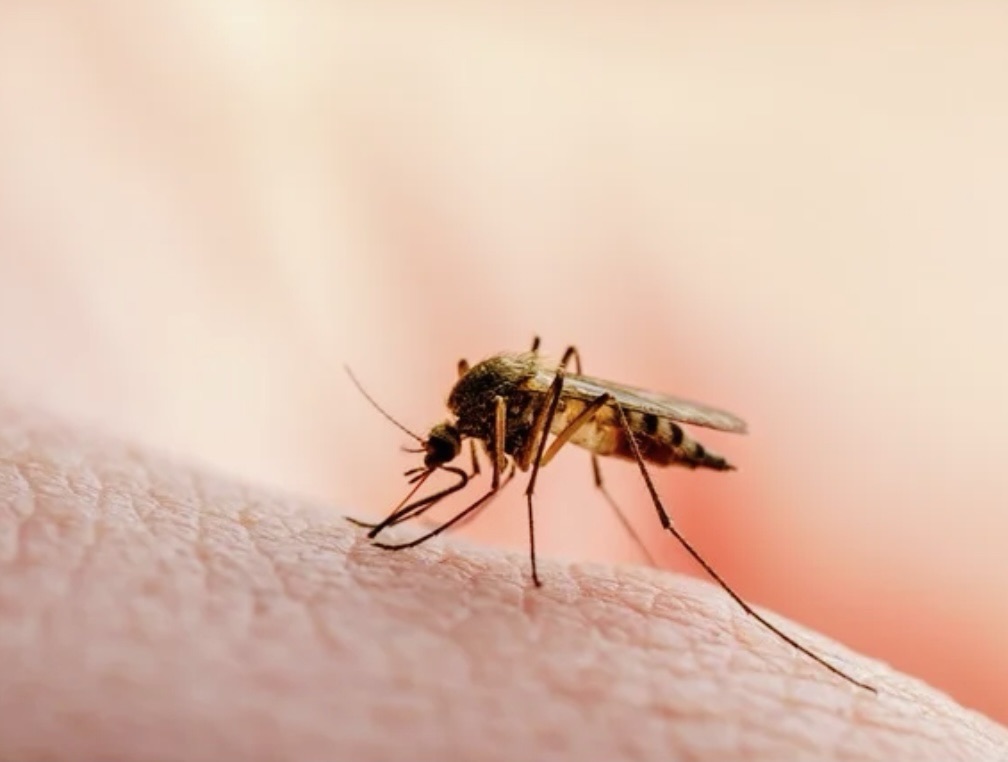
Overview
Malaria is an infectious disease in tropical countries. It is spread by mosquitoes. It is manifested by fever along with chills and rigors. Unless it is diagnosed and treated promptly, it can be fatal. A single mosquito bite may be enough to cause the infection. Malaria is caused by a single-celled parasite of the genus plasmodium. The parasite is transmitted to humans most commonly through mosquito bites. The early symptoms of malaria include cold, headache, and a high temperature with chills. However neglected, Severe malaria can cause complications within hours to days from the initiation of symptoms such as :
- Cerebral malaria
- Severe anaemia
- Decrease in blood
sugar levels - Pulmonary oedema
- Acute renal failure
In a non-immune individual, symptoms usually appear 10–15 days after the infective mosquito bite. The first symptoms – fever, headache, and chills may be mild and difficult to recognize as malaria. If not treated within 24 hours, Plasmodium falciparum malaria (the vector) can progress to severe illness, and may eventually lead to death. The parasites are single-celled microorganisms of the Plasmodium group. Plasmodium falciparum is the most lethal in humans, and responsible for most deaths.
Prevention
PREVENTION OF MALARIA,
can be prevented by controlling malarian mosquitoes, either by reducing the population of mosquitoes or by preventing them from biting.
Mosquito (Vector) control methods include
those that,
a. Kill adult mosquitoes and reduce the
survival rate of Adult mosquito population.
b. Protect human from mosquitoes bites
c. Reduce or prevent mosquitoes breeding * The two most commonly used methods for
killing adult mosquitoes include;
- Insecticide treated mosquito nets (ITNs)
- Indoor residual spraying (IRS) Methods that prevent mosquitoes
biting humans - ITNs
- Untreated mosquito nets
- Products for domestic use such as insecticide sprays.
Controlling malaria.
• When trying to control malaria there are three main approaches that you can take:
- Control against the adult mosquito
- (stopping people from being bitten by them)
- Control against the eggs and larvae.
- (to stop the adult mosquito from being born)
- Control against the plasmodium by treating people.
Prevent mosquito breeding
Ensure no stagnant water
Fever with shivering and headache could be malaria, get examined.
Maintain hygiene.
Spray larvicidal liquids/cis as superficial film over stagnant water
Water ponds to be levelled with soil
Cover all water containers inside home and frequently change the water
Disposal of all useless items holding water such as tins/cane/tyres/bottles
Prevent mosquito bites.
Use mosquito net (preferably medicated) while sleeping
Use necessary protective clothing.
Use mosquito repellents (creams/liquid sprays/mats/coils)
Prevent entry of mosquitoes
Mosquito screen for doors/windows
Clear woods and tall grass around the houses
Improve basic sanitation.
For treatment and more information visit your:
P/C (Primary Health Center).
Thanks and regards.
 Site Title